
Mediterranean cuisine is widely accepted as one of the healthier diets to consume, full of lean protein, vegetables, and whole grain products. But remember that there are pitfalls even just in the best of dining. Being aware of the smarter choices before you decide to peruse the menu will help ensure a delicious and healthy meal.
- Falafel – Be sure to ask how this tasty treat is ready. If it's fried, that can lead to significantly higher fat and calories. Baked is always a more sensible choice.
- Salata – Salad always sounds healthier than any other side dish. That one particularly is lettuce-free; instead, it's comprised of cucumbers, tomatoes, olives, onions, and feta cheese. If possible, obtain the dressing on the side and add it sparingly.
- Hummus – Typically made from chickpeas, olive oil, tahini, salt, garlic, and fresh lemon juice, this dip could be a delicious and filling appetizer or side dish. While it is not necessarily low-calorie, it is full of fiber and protein which will fill you up. Try to avoid the pita bread and get if you're able to have fresh vegetables to dip instead.
- Souvlaki – Difficult to say, simple to enjoy! This is the Greek 'kabob' — marinated, skewered, and grilled protein and vegetables. Tzatziki is really a delicious yogurt and cucumber dip that pairs well with this grilled entrée.
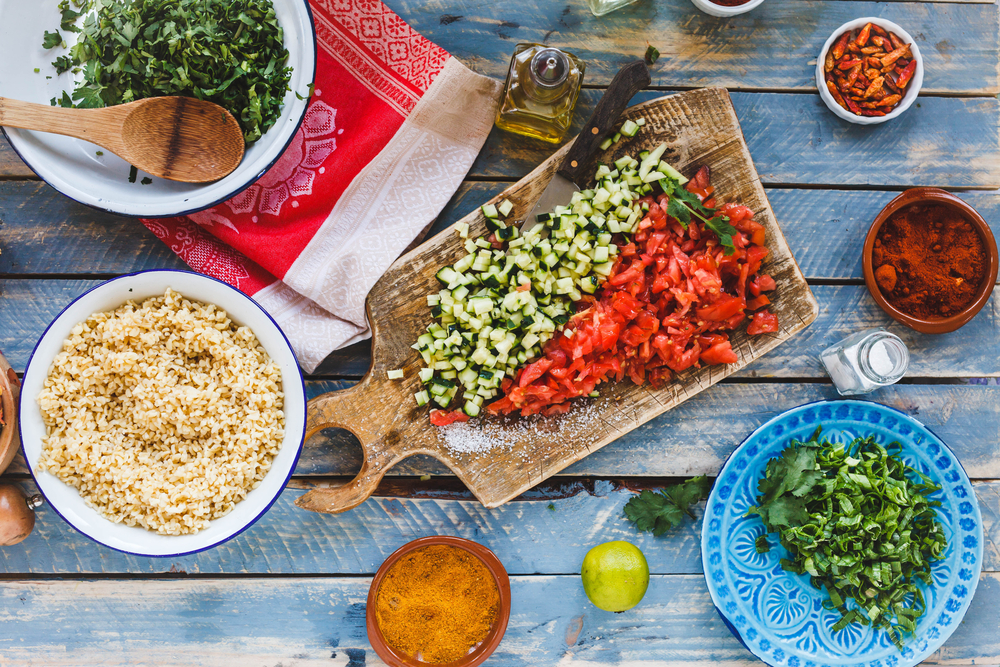
- Tabouli – Possibly among the best side dishes you can find inside a Mediterranean restaurant! If you can substitute your rice with this salad mixture, you are in very good condition. It has multiple 'super-foods' for example bulgur wheat, onions, garlic, parsley, cucumbers, tomatoes, lemon juice, and olive oil.
Do try to avoid the Moussaka and the Baklava in addition to anything in phyllo pastry. Many of these will two or three times the fat and calories of the meal unnecessarily.

