

With obesity being so prevalent within this era, diets have become ever more popular, there are actually a wide variety of diets being touted out there.
There is definitely no problem with attempting to improve your eating habits. In fact, this could benefit your wellbeing in numerous ways.
However, you need to make sure that the diet you are following is a healthy one. There are so many dangerous myths out there with regards to dieting, so ensure that you are aware of all the facts prior to making your choice.
MYTH: Reducing Fats Will Help You to Lose Fat
Many people believe that following a low-fat diet is the best way to lose weight in the body, even though this may be true to a degree, this also means that you'll be passing up on all the healthy fats out there.
Didn’t understand that some fats are healthy?
This is the trouble with low-fat diets, are fats are actually important. Furthermore they provide your body with energy, but they're also essential for helping your body to soak up fat-soluble vitamins, such as vitamins A, D, E and K.
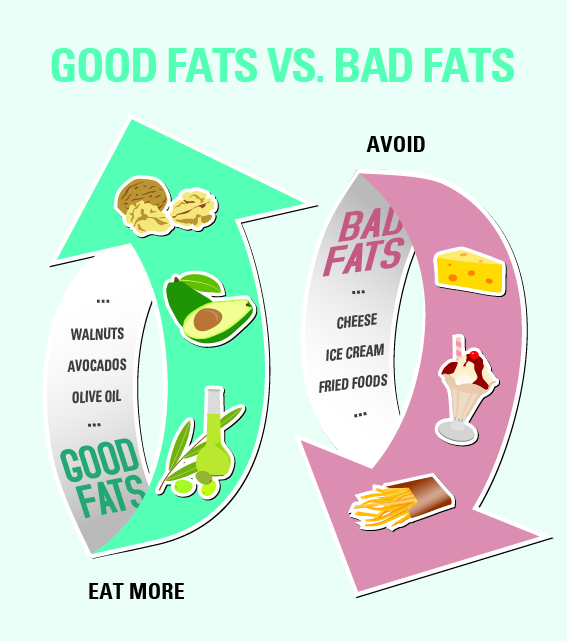
While saturated fats, which come from foods such as fatty meats, butter, cream, and processed foods, would be best avoided, unsaturated fats should form part of your everyday diet.
Wondering where you'll get these healthy fats from?
Here are a few rich sources:
- Olives and essential olive oil
- Avocados
- Nuts
- Oily fish, for example mackerel and sardines
MYTH: Coconut Oil is the Healthiest Choice With regards to Oil
You have likely noticed how coconut oil has exploded in popularity during the last few years, and is often referred to as a wonder ingredient, not only for the body but in addition for your skin and hair. With food bloggers claiming this oil can help with everything from weight loss to Alzheimer’s disease, it comes down as no surprise more people these days are giving coconut oil a try.
So, what is the problem here?
Well, coconut oil is actually extremely high in saturated fats, which, as explained above, are a type of fat that you would like to avoid.
Why?
Because saturated fats happen to be linked to from heart disease to raised blood cholesterol, which you ought to be trying to prevent.
While coconut oil does contain polyphenols, which really are a beneficial plant compound, these can actually be found in larger amounts in other foods, for example vegetables and fruit.
There is nothing wrong with eating small quantities of coconut oil in moderation, but if you've started making this ingredient a significant part of your diet, then you are best off re-assessing this, as there are more healthy alternatives available.
MYTH: Juices Are a Healthy Meal Replacement
Just as with coconut oil, slow-pressed and green juices happen to be very popular lately.
There isn't any denying the numerous benefits these juices might have, as they do pack a punch with regards to vitamins, minerals and antioxidants.
However, it doesn't mean they should behave as meals replacement.
Why?
Well, firstly, research shows that the easiest way for you to get all of those nutrients is through a well-balanced diet composed of fruits, vegetables and grains. Although juices do contain many nutrients, the procedure for juicing removes all of the fiber in the fruits and vegetables, and fiber is exactly what will help to help you stay feeling full up to the next meal.

There is certainly not wrong by having a juice or two each day like a snack in between meals, but ensure that you take notice of the amount of sugar that has been added to the juice. Many pre-made versions contain high amounts of sugar and sweeteners, which wind up countering all the good the juice might have done for the body.
MYTH: Children Have to Drink Cow’s Milk Each Day
There are diet myths regarding children as well as adults, and, understandably, this is often much more dangerous, as a child’s diet really does need to be balanced.
There a multitude of parents available who insist their children drink cow’s milk every day, believing that this is the greatest method for these to consume their daily recommended amount of calcium.
However, this is when they are wrong…
Research actually suggests that children who don't drink dairy milk are far less likely to develop ear infections, asthma and colic. In fact, the American Academy of Pediatrics firmly states that youngsters under the age of one should never be given cow’s milk.
Wondering where you'll get your calcium from if you should not actually be drinking much milk?
Leafy vegetables contain high amounts of calcium, just like beans, soy milk and other calcium-fortified foods. The only exception is with spinach, as the calcium throughout spinach is not easily absorbed by the body.
MYTH: Carbohydrates Make You Fat
When trying to eat healthily, many people end up cutting carbohydrates out of their diet, especially since this is something that the famous Atkins’ Diet promoted.
However, carbohydrates aren't all bad, there are in fact numerous good carbohydrates out there.
While sugar and refined foods are certainly best avoided, your body needs all the nutrients and fiber that good carbohydrates bring.
Wondering where good carbohydrates originate from?
Here are a few sources:
- Fruits and vegetables
- Beans
- Whole grains
When it comes to weight loss, studies have shown that following a low-carb diet, rather than a low-fat diet, might help with initial weight loss, but you are much more likely to regaining this weight rather than preserving your new weight.
MYTH: Fasting is Necessary for Detoxification
Many individuals are of the opinion that fasting themselves will encourage it to detox, cleansing it of toxins along with other unwanted substances.
However, there is actually no evidence available to back this up…
The body contains all that it must naturally detox by itself, without resorting to fasting. Thanks to your liver, kidneys and spleen, the body has the capacity to rid itself of toxins each day, and fasting has no impact on this at all.
When it comes to weight reduction, fasting can actually help make your life harder.
How?
Because fasting slows down your body’s metabolic rate, meaning the food you eat after your fast winds up being more fattening of computer otherwise would have been.
MYTH: Fresh Vegetables be more effective For you personally Than Frozen or Canned Versions
Yes, should you grow your own vegetables both at home and are able to eat them right after they have been picked, then there's not really much that may beat this.
However, for the majority of the populace, frozen or canned vegetables are actually just as, or even more, beneficial than their fresh alternatives.
How?
Because many of these become frozen or canned soon after they have been harvested, which enables them to retain a lot of their nutrients. In contrast, fresh vegetables which have been sat on a supermarket shelf for any week can end up losing a substantial amount of their nutrients.
In fact, studies have shown that canned tomatoes are in fact higher in lycopene, an essential antioxidant, while canned corn also contains a higher level of antioxidant activity.
Keeping canned and frozen vegetables in the home is another fantastic way to ensure that you also have some vegetables around, and can be described as a more affordable option to the new versions.
MYTH: Coffee Is Bad For you personally
Did you will know coffee actually brings the body a number of different health benefits?
Here are some of the most fascinating:
- Protection against type 2 diabetes
- Lowered chance of Parkinson’s disease
- Reduced risk of liver disease
- Lowered chance of cardiovascular disease
- Prevents premature death
- Reduced risk of multiple sclerosis
- Protection from colorectal cancer

Of course, the type of coffee you drink comes with an impact on this…
Research implies that lighter roasts tend to have a greater antioxidant activity, because roasting causes the beans to be exposed to air, which results in oxidation and a decrease in antioxidant molecules.
MYTH: Cutting Out Snacks is the Best Way to Lose Weight
Do you are snacking a lot throughout the day?
There is really no problem with snacking. In fact, many people need to snack to be able to maintain their energy levels throughout the day.
The key here's taking a look at what snacks you're eating.
If you are grabbing a packet of cookies or poker chips, then yes, cutting these out will certainly help you to lose weight.
However, it doesn't mean you need to go hungry…
There a multitude of healthy snacks out there that you could opt for instead.
Here are several ideas:
- Toast with peanut butter and banana
- Avocados on multi-grain crackers
- Vegetables sticks with hummus
- Greek yogurt with berries
- Spiced nuts
- Trail mix
- Marinated olives and artichoke hearts
MYTH: Gluten isn't good for Everybody
There a multitude of gluten-free foods available, and more people these days appear to be believing these are in fact better for the body.
Is this true?
If you have celiac disease, which is something which affects about 5% of people, then yes, gluten is one thing that you simply definitely desire to be avoiding.
However, unless you have a medical reason behind going gluten-free, this isn't something which will necessarily benefit your health.
In fact, many gluten-free products are actually far more processed than whole-grain alternatives that do contain gluten, and also you would be far better off opting for the whole-grain versions instead. Gluten-free products also are usually without folate, which is an essential nutrient that your body needs.
MYTH: A Vegan Diet Can Provide the Body With All of the Nutrients it Needs
There is no denying that the meat-free diet might have so many benefits, but the idea that a vegan diet offers the body with all of that it needs is not true.
There is a important nutrient that the vegan weight loss program is lacking in, which is vitamin B12. This vitamin is most often found in animal foods, such as fish and eggs, and a lack of vitamin B12 can result in mood disorders, loss of memory and more.
While there are many foods available which have been fortified with vitamin B12, you should eat a lot of servings of these each day to be able to provide your body what it really needs.
This does not mean that you need to stop being a vegan…
Just be aware of the fact that you are not getting enough vitamin B12, and can likely have to turn to a vitamin B12 supplement to assist with this.
MYTH: A good work out Burns up Off All the Calories Consumed from a poor Meal
Are you guilty of sometimes indulging in a fast food meal, thinking that your exercise routine later on in the day will help to counter the effects of the?
Unfortunately, you would need to exercise a lot more than you likely do today to melt away the calories you have consumed from a poor meal.
For example, running for any mile on a treadmill would burn off about 100 calories, whereas eating six chicken nuggets would mean that you've consumed 3 times this amount. Should you also were built with a soda and some fries, you would need to run for around eight miles to be able to burn off that entire meal.
While exercise is definitely extremely important, it doesn't mean that you ought to be eating unhealthy foods alongside it. The best way to stay healthy is a mixture of a good diet and regular exercise.
There a multitude of diet myths available, and with social media backing most of them up, it can be hard to know what to believe. In order to keep yourself in-the-know, ensure that you thoroughly research any celebrity diets you learn about before deciding to follow them.

