
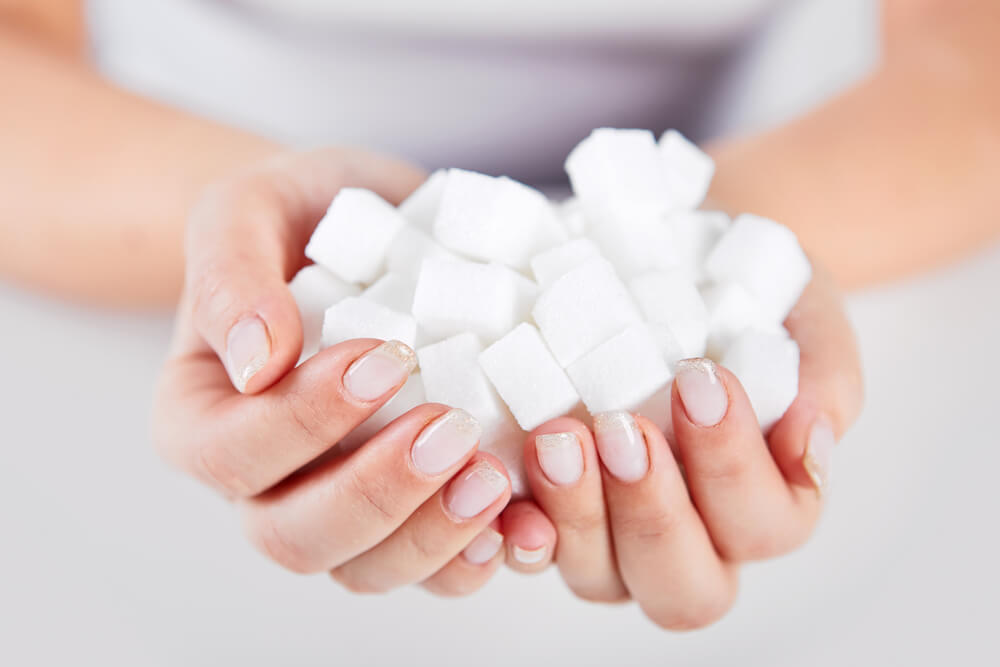
A sign was posted in a local supermarket recently that cried “Fat is in; Sugar is out”. Fatty foods have been the poster child of obesity during the last several decades.
With new studies developing the scene decrying the sugar companies of fraudulent scientific reports, though, nutritionists are able to admit what they've noted for years: unhealthy fats aren't the only killer but sugar may be the biggest of them all.
The average American citizen consumes typically approximately 152 pounds of sugar each year, reported through the DHHS.
At this time, it is past too far to chop society off all at once from all of these unhealthy dieting habits. Perhaps this isn't the only real solution though.
In this short article, we are going to be looking for the myriad of sugar substitutes that are available. We dig into the nutritional aspect of each, the differences that it holds to general white sugar or corn syrup additives along with a breakdown of exactly what each is.
Why to think about Sugar Substitutes
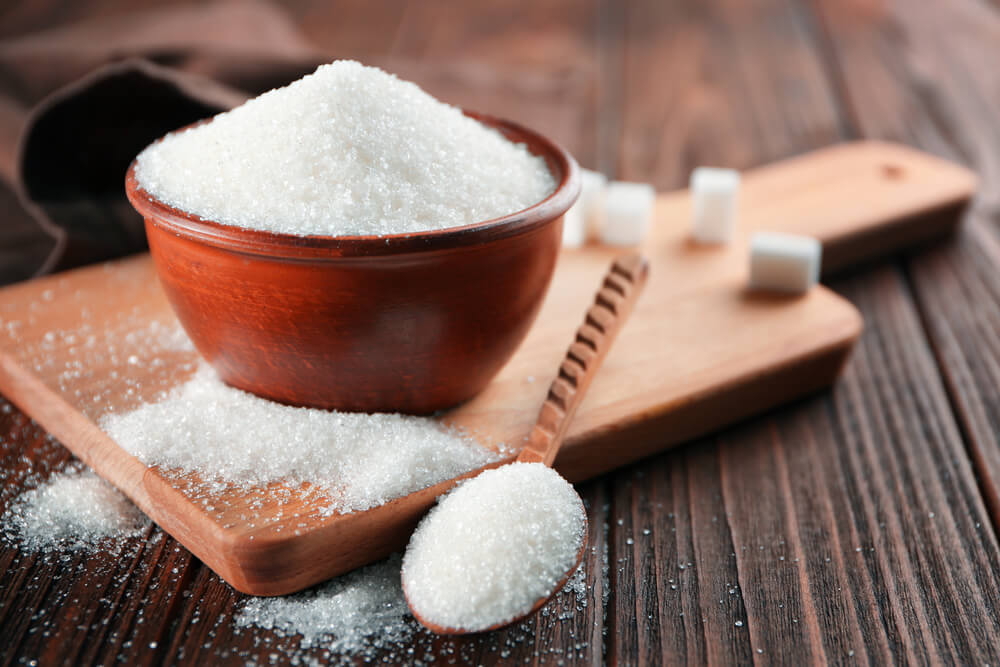
First, why must low calorie sweeteners even be considered?
Let us examine it from a health perspective for the individual. The first thing to know is the fact that the body only need one type of sugar to outlive, glucose.
We don't need to obtain this from adding more sugar into our food sources because our body will break them down from fats and carbohydrates.
Other than giving our food a sweeter flavor, what does sugar really do for all of us then?
Healthline lays out a few of the major ways that sugar damages our systems.
Sugar is really a leading cause in visceral fat accumulation, leading to weight gain within an unhealthy way. It's also been directly linked to a number of cardiovascular diseases, helping cardiovascular disease function as the number one killer worldwide.
Additionally it's been associated with health problems such as obesity, hypertension, diabetes and might even increase a person's chance of cancer.
On a less concerning level, yet still irritating, an excessive amount of sugar can lead to breakouts within the skin.
If you believe it's worth it to try and cut some sugar from your diet, however your sweet tooth is begging you otherwise, realize that they are some of the advantages of substituting sugar having a different sweetener:
Weight Loss
Depending on the type of sweetener, your body will address it differently of computer generally will process sugar.
Instead of making it visceral fat since there is nothing helpful there, they will be turned into energy and used a lot more like carbohydrates.
This generally leads to weight loss, and at times could be substantial depending on how much a player sugar was in the prior diet.
Tooth Decay
Sugar is the leader with regards to aiding the process of tooth decay or cavity formation.
The reason for this really is that the more sugar that is consumed, the more acid your body produces as a response. The sugar and the plaque on teeth combine to eat away at the enamel.
Switching to a different type of sugar can lead to different processes being triggered in your body. This prevents your teeth clean and healthy for extended.
Decreased Risk of Heart Disease
One of the most important ones to think about would be the decreased risk of a large number of different heart diseases.
Using a sugar that's treated differently in your body may help it to keep your cardiovascular passages clean of fatty deposits and help you conserve a lower blood pressure level.
Honey
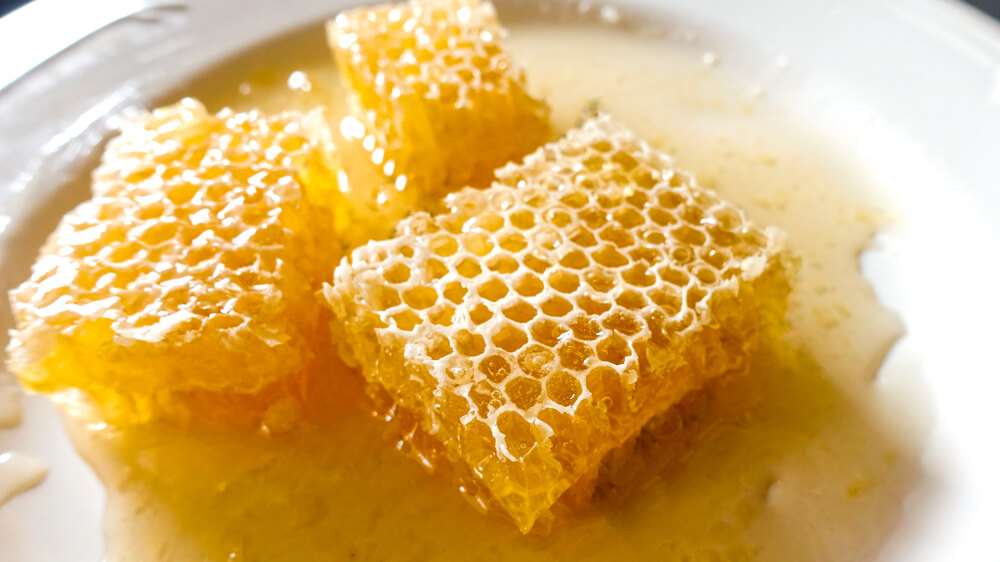
The first substitute to think about is a that is naturally derived: honey. Honey provides more nutrients by far than refined sugars, together with antioxidants and minerals.
What is Honey?
Honey is considered to be a food, viscous in texture and sweet in taste. It is produced by bees from nectar and pollen harvested from plants. Commonly made and kept in honeycombs.
If it's good enough for the bees, could it be good enough for us?
Honey has less fructose than other natural sweeteners, which makes it taste less sweet per gram than the others might.
It has numerous different properties, including antimicrobial, anti-fungal and anti-inflammatory.
The bad thing is that it's still divided into glucose and fructose like refined sugar, so it may pose similar health risks if over consumed.
How to make use of Honey like a Sugar Substitute
Honey doesn't have exactly the same makeup that refined sugar does, honey being a viscous liquid and delicate sugar generally finding yourself in a crystallized form.
This means they can't be used much the same way.
Honey is a great add-in to anything it may dissolve into, such as smoothies, mixed into batter for baked goods, sauces, and dressings.
It is sweeter than refined sugar, so a large upside is getting to add less honey for just as big a sweet tooth satisfaction.
To find great recommendations for how to use honey daily, Royal Bee includes a cookbook featuring honey as the sweetener. To purchase honey itself, shop through a few of their rich honeys and special flavors.
Agave Nectar
What is Agave Nectar?
Agave nectar is yet another natural sweetener, this one derived in the Agave plant, the same plant tequila is made of.
It is a great option for those that struggle with hypertension as it is have less the index list, therefore doesn't cause spikes in blood sugar.
It might not be the best choice for diabetics though. Agave nectar actually contains even more fructose that high fructose corn syrup has.
If agave nectar is eaten in considerable amounts, it may then lead to excessive weight gains and increased insulin resistance.
The plus side is the fact that agave is much sweeter than sugar is, therefore a smaller amount from it should be used.
How to Use Agave Nectar like a Sugar Substitute
Agave nectar is an easy replacement for refined sugar since it can replace other sweeteners in only about every baking and cooking situation.
Simply reduce the amount of sugar called for by at least a quarter of the original amount and blend up. As it is a liquid, you may want to increase the dry materials to gain the consistency you are looking for, particularly regarding baking recipes.
It tastes much like honey, so it can be used in smoothies, on bread and in health drinks much like honey. To gain a concept of how to use that one as well as get tips for a few of the other substitutes featured, check out this article.
Xylitol
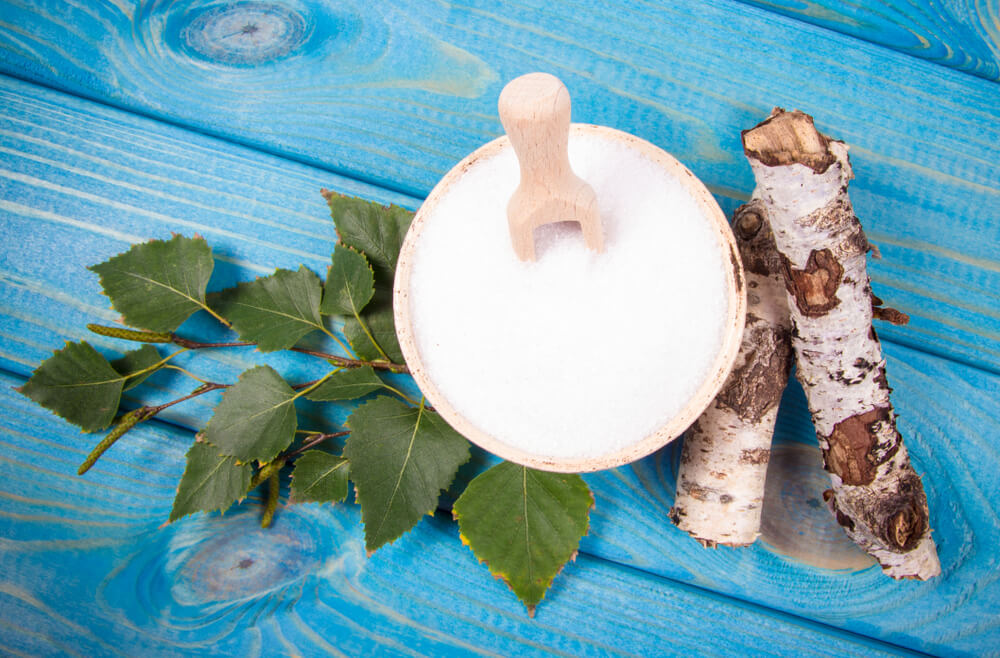
Although it appears as an over the counter drug, Xylitol continues to be a naturally occurring substance that's safe for public consumption.
What is Xylitol?
Xylitol may be the natural alcohol that's contained in most plant material, like vegetables and fruit. Even so, it is generally extracted from birch wood.
Xylitol is used to make medicine but is also the sugar substitute in lots of products that tell you they are “sugar-free”.
Xylitol contains 40% fewer calories than sugar and does not cause spikes in blood sugar levels or insulin levels.
Xylitol is one of the naturally-occuring low calorie sweeteners that contains zero fructose. This equates to lacking any of the harmful health effects that sugar has.
It is important to note that xylitol is highly toxic to dogs, so keep it out of possible reach from any furry friends you reside with.
How to Use Xylitol as a Sugar Substitute
Xylitol is among the easiest sugars for a replacement to cook and baking recipes, because it generally is sold in an identical form to refined sugar.
It can be used in pies, cakes, cookies and has even been an established winner for people who enjoy shakes and smoothies.
Xylitol has a much the same degree of sweetness to refined sugar, so recipes don't have to be adjusted.
If you'll need other strategies for how you can incorporate xylitol into your diet, go through this article by xylitol.org.
Coconut Sugar
What is Coconut Sugar?
Another naturally derived sugar. Coconut sugar is unrefined, which means that it keeps all its minerals and vitamins.
Coconut sugar is derived from the sap from the coconut palm, a sweet and sticky substance that is generally bought from a crystallized or powered form.
It has a lower glycemic index than sugar, and therefore it is best for those with diabetes.
However, it's very full of calories, equal to refined sugar, as well as high in fructose.
How to make use of Coconut Sugar as a Sugar Substitute
It includes a very similar degree of sweetness to that particular of refined sugar, therefore it should be used carefully.
Coconut sugar is usually required in many healthy recipes and could be used accordingly. At times, a lot more of it may be required to keep taste exactly the same.
It may affect the overall texture of the dish.
The main help to using coconut sugar over refined sugar would be the natural nutrients contained within. Otherwise, it's very much like refined sugar.
Fresh Fruit

This one is less readily regarded as a few of the others on the list. However, the Cleveland Clinic reminds us that fresh fruit will be among the healthiest ways to include sugar back to your diet plan.
What is Fruit?
This the first is a bit more obvious to many of us than some of the others may have been. Fresh or frozen fruit could be any fruit, strawberries, blueberries, bananas, apples, and kiwi.
The big allure to using fruit is that it is really a sweetener that doesn't contain any empty calories.
Not that, but it adds rich flavor profiles towards the food it is getting used in.
How to make use of Fresh Fruit like a Sugar Substitute
Some from the big benefits of switching over to some fruit-for-sugar diet is the decrease in sugar cravings.
Fruits are naturally sourced and contain many compounds that our bodies can use. Refined sugar contrasts this by being addictive, full of empty calories as well as life-threatening.
Fruits can be used in meals and baking by substituting some or all of the quantity of sugar that you'd add with fruit. Because it has a significantly richer flavor profile, add little bits at any given time to obtain the right balance.
Fruit can also be used alongside some of the other healthier sugar substitutes to make a well-balanced, yet still sweet, flavor profile.
Erythritol
Another intense sounding compound, erythritol is very much like xylitol like a sugar alcohol. The main difference is that it contains markedly fewer calories.
What is Erythritol?
Erythritol isn't as prolific as xylitol, nevertheless it does occur naturally in certain foods and natural processes.
Erythritol is produced during processes such as wine, beer, and cheese fermentation.
However, it is also synthetically derived and could be mixed into other substitutes like stevia and Truvia.
It is great for your teeth, as is xylitol, since it doesn't feed the bacteria that play huge submit cavities. Additionally, it increases calcium uptake, strengthening your teeth and bones.
How to make use of Erythritol like a Sugar Substitute
Erythritol may be used in a very similar manner to refined sugar. It is approximately 70% as sweet as sugar, so more might need to be added in certain cases.
It can be used almost exactly like sugar, with one exception. It is a soluble sugar that melts in high temperature instead of caramelizing.
It isn't a step that is given a lot of consideration, but without caramelization, baked goods won't become chewy and dense.
Try out some great recipes by Natural Sweet Recipes that have been proven for erythritol use to get a better idea of how to use it.
Stevia
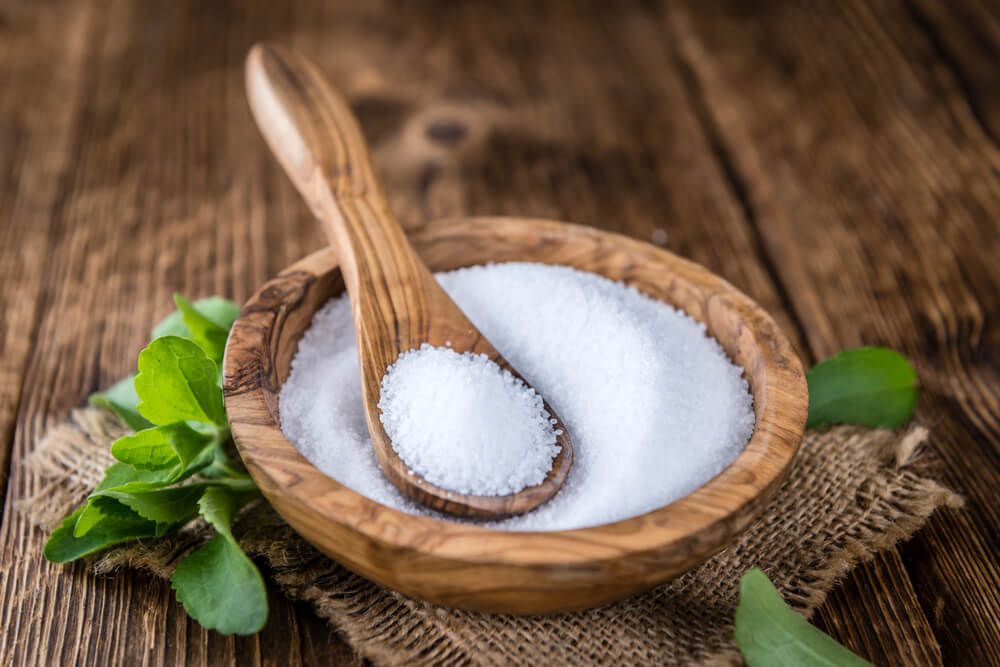
What is Stevia?
Stevia is yet another plant extract that's completely free from calories. This makes it safe for diabetics. It also means it's not going to bring about obesity.
Stevia is thought to become a novel sweetener, meaning it has a intense. Be cautious when utilizing Stevia not to use too much.
How to Use Stevia as a Sugar Substitute
Stevia includes a noticeable aftertaste that some people don't appreciate.
This implies that it might only really be useful to you when it's a part of desserts or mixed in with another substance like yogurt or oatmeal.
Stevia can be bought in liquid drops, in a plant form or in a packet where it will be crystallized.
Healthline lists out a lot of low calorie sweeteners that are offered, along with their breakdowns on more of the health benefits, or otherwise, of every.

